

What Is the Difference Between a Regular Eye Exam and a Comprehensive Eye Exam?
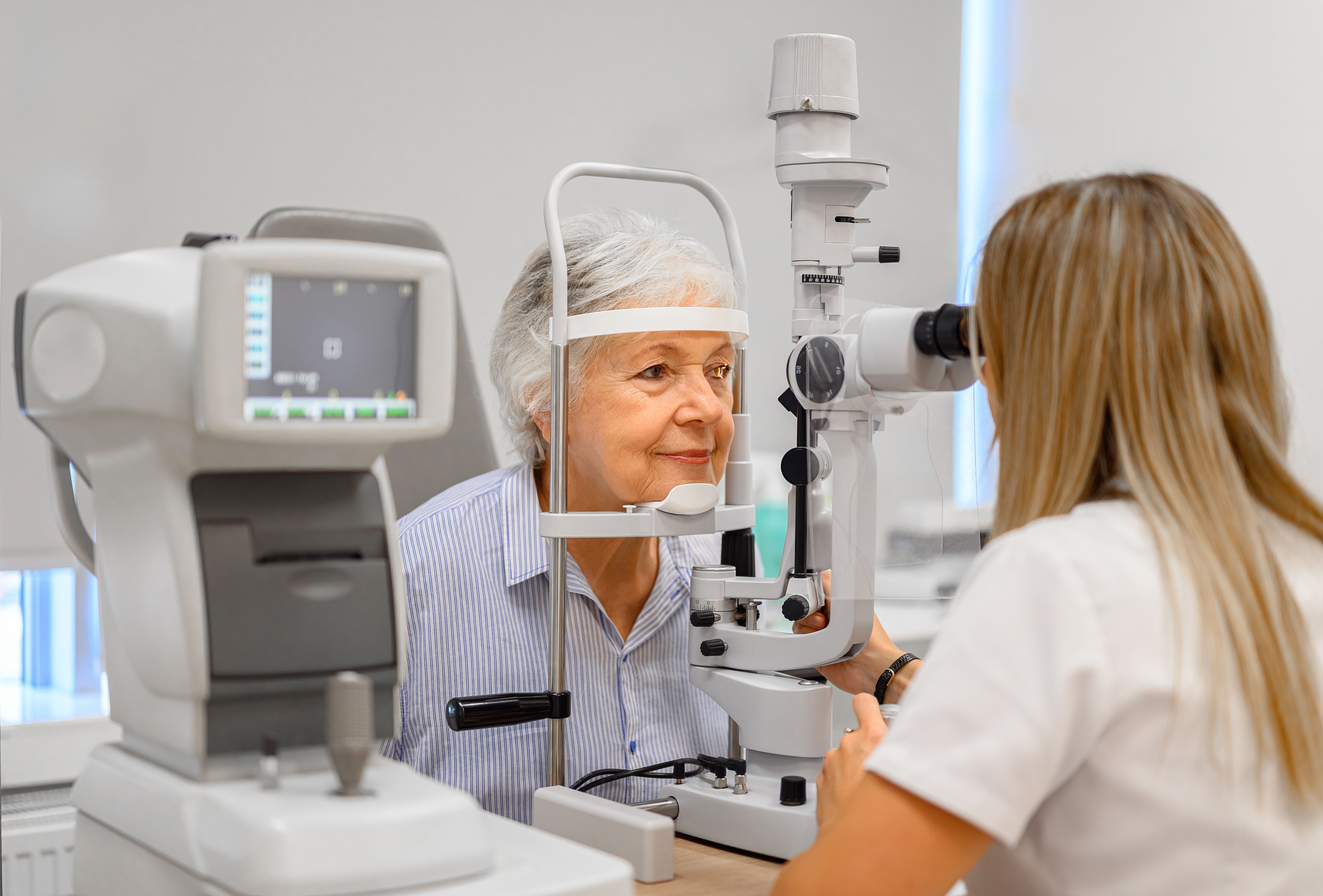
When it comes to protecting your vision, not all eye exams are the same. Many patients use the terms “regular eye exam” and “comprehensive eye exam” interchangeably, but there are important differences between the two. Understanding what each exam includes can help you make informed decisions about your eye health and ensure you’re receiving the level of care you need.
At Edwards Eye Care, we believe patient education is key to lifelong healthy vision. Here’s what you should know.
What Is a Regular Eye Exam?
A “regular” eye exam often refers to a routine vision check. This type of exam typically focuses on determining whether you need glasses or contact lenses and updating your prescription if necessary.
During a standard vision exam, your eye doctor may:
- Assess how clearly you see at various distances
- Perform a refraction test to determine your exact prescription
- Check how well your eyes work together
Evaluate basic eye function
For many people, this type of visit is associated with getting a new pair of glasses or renewing a contact lens prescription. While these exams are important, they may not always include an in-depth evaluation of your overall eye health.
What Is a Comprehensive Eye Exam?
A comprehensive eye exam goes beyond simply checking how well you see. It evaluates both your vision and the overall health of your eyes, looking for early signs of eye diseases and other medical conditions.
A comprehensive eye exam may include:
- Detailed vision testing and refraction
- Evaluation of eye coordination and focusing ability
- Examination of the retina and optic nerve
- Measurement of eye pressure (to screen for glaucoma)
- Assessment for cataracts, macular degeneration, and diabetic eye disease
- Review of your medical history and any visual concerns
This type of exam is designed to detect issues that may not yet be causing noticeable symptoms. Many serious eye conditions develop gradually and painlessly, making regular comprehensive exams essential for early detection and treatment.
Why the Difference Matters
If your only goal is updating your glasses prescription, a basic vision screening might seem sufficient. However, vision clarity is just one part of eye health.
A comprehensive eye exam can help detect:
- Glaucoma before vision loss occurs
- Early signs of retinal problems
- Complications related to diabetes or high blood pressure
- Age-related eye changes
Because many eye diseases show no early warning signs, comprehensive exams are often recommended annually or as advised by your eye doctor.
Which Exam Do You Need?
In most cases, a comprehensive eye exam is the best choice for maintaining long-term eye health. Even if your vision seems fine, regular full evaluations allow your provider to monitor subtle changes and catch potential problems early.
Children, adults, and seniors all benefit from comprehensive exams, though the frequency may vary depending on age, medical history, and risk factors.
Protect Your Vision with Complete Care
Your eyesight is too important to leave to chance. Understanding the difference between a regular vision check and a comprehensive eye exam empowers you to take a proactive approach to your eye health.
Schedule your comprehensive eye exam with Edwards Eye Care today and take the next step toward clearer, healthier vision. Visit our office in Ahoskie, North Carolina, or call (252) 336-9838 to book an appointment today.
Quick Links
Helpful Articles
article_category: products
article_category: psychiatry
article_category: faqs
article_category: cats
article_category: general
article_category: services
article_category: technology
article_category: dogs
article_category: restorative
article_category: vision therapy
article_category: contact lenses
article_category: health
article_category: conditions
article_category: eye surgery co-management
article_category: exotic
article_category: cosmetic
article_category: surgical procedures
article_category: aesthetics
article_category: preventative
article_category: ocular disease management
article_category: eyeglasses
article_category: eye health
article_category: large animal
[]
article_category: psychiatry
article_category: faqs
article_category: cats
article_category: general
article_category: services
article_category: technology
article_category: dogs
article_category: restorative
article_category: vision therapy
article_category: contact lenses
article_category: health
article_category: conditions
article_category: eye surgery co-management
article_category: exotic
article_category: cosmetic
article_category: surgical procedures
article_category: aesthetics
article_category: preventative
article_category: ocular disease management
article_category: eyeglasses
article_category: eye health
article_category: large animal
[]
Flowbite is an open-source library of interactive components built on top of Tailwind CSS including buttons, dropdowns, modals, navbars, and more.
Check out this guide to learn how to get started and start developing websites even faster with components on top of Tailwind CSS.

All Eye Care Services
Find personalized eye care excellence with our comprehensive services. From eye exams to advanced diagnostics, trust us for all your vision needs.
Keep In Touch
For non-urgent questions or to learn more about our services, contact us today!


© 2026 Edwards Eye Care. All rights Reserved - Accessibility Statement - Privacy Policy - Terms and Conditions - Sitemap
Managed and Designed by 