

Learning Challenges That Could Be Linked To Vision Problems

When a child struggles in school, it is easy to assume the issue is attention, motivation, or learning style. However, vision problems can also affect how children read, write, focus, and process information in the classroom. Since clear vision plays an important role in learning, a comprehensive eye exam can help identify whether eyesight or eye coordination may be contributing to academic challenges.
How Vision Supports Learning
A large part of classroom learning depends on visual skills. Children use their eyes to read from books, copy from the board, track words across a page, use digital screens, and complete written assignments. Even a mild vision issue can make these tasks feel harder than they should.
Vision is not only about seeing 20/20. A child may pass a basic school vision screening and still have trouble with focusing, eye teaming, tracking, or visual comfort. These problems can lead to frustration, fatigue, and avoidance of schoolwork.
Signs A Learning Challenge May Be Vision Related
Some vision problems can look like learning or attention difficulties. A child may understand the material but struggle to keep up because their eyes are working too hard.
Common signs to watch for include:
- Frequent headaches or tired eyes after reading
- Losing place while reading or skipping words
- Holding books or screens very close
- Avoiding reading, writing, or homework
- Squinting, rubbing the eyes, or closing one eye
- Trouble copying notes from the board
- Short attention span during near work
- Complaints that words move, blur, or double
If these symptoms appear often, a comprehensive eye exam can help determine whether vision is part of the problem.
Why School Vision Screenings May Not Be Enough
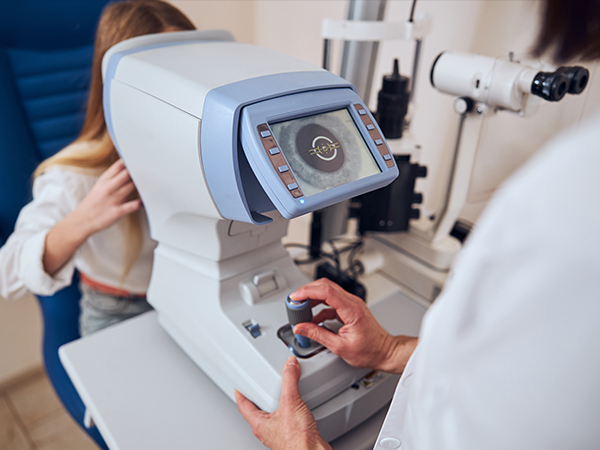
School screenings are helpful, but they are not the same as a full eye exam. Many screenings mainly check distance vision, which does not always reveal issues that affect reading and close-up learning. A child may be able to see letters across the room but still struggle with near vision tasks.
A comprehensive eye exam looks more closely at visual clarity, eye health, focusing ability, eye movement, and how well the eyes work together. This gives parents a clearer understanding of whether glasses, vision support, or additional care may help their child feel more comfortable and confident at school.
Vision Problems That Can Affect School Performance
Several vision concerns may interfere with learning. Nearsightedness can make it hard to see the board, while farsightedness may cause strain during reading. Astigmatism can create blurry or distorted vision at different distances.
Other issues may involve how the eyes function together. Problems with eye tracking can make it difficult to follow lines of text. Eye teaming issues may cause double vision or fatigue. Focusing problems can make it hard to shift from near work to distance viewing, such as looking from a worksheet to the board.
When To Schedule An Eye Exam
Parents should consider an eye exam if their child is falling behind in reading, avoiding homework, complaining of headaches, or showing signs of visual discomfort. It is also a good idea to schedule routine eye exams even when no obvious symptoms are present, since children may not always know how to explain what they are seeing.
Early detection can make a meaningful difference. When vision problems are addressed, children may find reading, writing, and classroom tasks less tiring. Schedule a comprehensive pediatric eye exam with Edwards Eye Care. Visit our office in Ahoskie, North Carolina, or call (252) 336-9838 to book an appointment today.
Quick Links
Helpful Articles
article_category: products
article_category: psychiatry
article_category: faqs
article_category: cats
article_category: general
article_category: services
article_category: technology
article_category: dogs
article_category: restorative
article_category: vision therapy
article_category: contact lenses
article_category: health
article_category: conditions
article_category: eye surgery co-management
article_category: exotic
article_category: cosmetic
article_category: surgical procedures
article_category: aesthetics
article_category: preventative
article_category: ocular disease management
article_category: eyeglasses
article_category: eye health
article_category: large animal
[]
article_category: psychiatry
article_category: faqs
article_category: cats
article_category: general
article_category: services
article_category: technology
article_category: dogs
article_category: restorative
article_category: vision therapy
article_category: contact lenses
article_category: health
article_category: conditions
article_category: eye surgery co-management
article_category: exotic
article_category: cosmetic
article_category: surgical procedures
article_category: aesthetics
article_category: preventative
article_category: ocular disease management
article_category: eyeglasses
article_category: eye health
article_category: large animal
[]
Flowbite is an open-source library of interactive components built on top of Tailwind CSS including buttons, dropdowns, modals, navbars, and more.
Check out this guide to learn how to get started and start developing websites even faster with components on top of Tailwind CSS.

All Eye Care Services
Find personalized eye care excellence with our comprehensive services. From eye exams to advanced diagnostics, trust us for all your vision needs.
Keep In Touch
For non-urgent questions or to learn more about our services, contact us today!

© 2026 Edwards Eye Care. All rights Reserved - Accessibility Statement - Privacy Policy - Terms and Conditions - Sitemap
Managed and Designed by 